March 31st, 2013
If you’re a runner, you’re likely aware of the importance of selecting the correct running shoe. For those who are newer to the game, you may not be aware of the connection between your running shoes and the safety and success of your workout. Not only will the correct shoe provide you with a comfortable running experience, but it can also reduce your risk for blisters, pain, and sports-related injuries. While choosing a running shoe can seem like a daunting task, we wanted to share a few tips to keep in mind during your search.
Here are 5 Tips to Consider When Choosing a Running Shoe:
- Ask questions. One of the most important tips for selecting the right running shoe is to ask the salesperson questions. He or she will be able to make a recommendation, based on your foot shape and running goals. It’s also a good idea to visit a store that caters specifically to runners. The sales team will likely be more knowledgeable than that of a general, “big box” store.
- Inquire about a running analysis. Many running stores now offer a running analysis to help you choose the correct shoe based on your gait — specifically, your degree of “pronation.” Pronation refers to the inward rolling motion the foot makes when it hits the ground. Ask about a running analysis the next time you’re looking for a pair of shoes.
- Choose for comfort, not fashion. While many will want to gravitate towards the shoe that looks the best, those might not be the ones that are best suited to your feet. If your running shoes aren’t comfortable, they can cause blisters, pain, and potentially injury.
- Go for a test drive. Simply trying on a pair of shoes won’t give you a sense of how they’ll feel on the open road. Be sure to bring a pair of running socks and ask the salesperson to let you run on one of their treadmills or around the store.
- Choose quality over savings. A good pair of running shoes is an investment, and should generally last between 400 and 600 miles. While a sale price may seem appealing at first glance, always buy shoes based on quality and not exclusively on price.
Sports Medicine in Worcester
Get back in the game! If you’re suffering from a sports-related injury or would like more information about the Sports Medicine we offer, we encourage you to contact us today. Our offices are located in Worcester, proudly serving the surrounding areas. Schedule your appointment today at (508) 363-6363. We look forward to hearing from you.
February 28th, 2013
As we age, certain hobbies and activities can begin to get put on the back burner. For many men and women, that unfortunately applies to exercise as well. In fact, even individuals who were once highly physically active can begin to put off healthy exercise, either for fear of injury or because they assume that one’s older years are a time to “take things easy.”
Understand, however, that exercise is important — and beneficial — at any age. It can not only help you feel younger, but allow you to continue doing the things you enjoy longer. Read on to learn more about the far-reaching benefits of healthy exercise.
Here is our list of the Top 5 Health Benefits of Exercising at Any Age:
- Fights disease. Countless studies have shown that regular physical activity can drastically reduce the risk of several common diseases and conditions. These include heart disease, high blood pressure, osteoporosis and others.
- Promotes healing. As we grow older, wounds and injuries can often take longer and longer to heal. Studies have shown that regular exercise can actually speed up the healing process by as much as 25%.
- Helps increase balance. In aging adults, a fall can be devastating — often resulting in a broken hip or similar injury, loss of independence, and more. Frequent exercise has been shown to promote balance, which may help to ward off these types of injuries.
- Improves mood. Not only does exercise provide a number of physical benefits, but it can also benefit a patient emotionally. In fact, according to a report published by the Center for Disease Control and Prevention, physical activity “Reduces symptoms of anxiety and depression and fosters improvements in mood and feelings of well-being.”
- Keeps you strong. Regular physical activity works to maintain healthy muscles, bones, and joints. For many patients this means increased stamina and an ability to stay active later in life.
Of course, before you begin any exercise regimen, it’s important to consult with a qualified medical professional. He or she will be able to create an exercise regimen suited to your individual needs and situation. Remember, it’s never too late to start – and your body will thank you for it!
Orthopedic Surgeon in Worcester
To find out more about the Sports Medicine and Orthopedic Treatments we offer, don’t hesitate to contact us today. Our offices are located in Worcester, serving the surrounding areas. Schedule your appointment today at (508) 363-6363. We look forward to working with you.
January 31st, 2013
When we hear the term “sports related injury,” we most often think of conditions such as sprains, dislocations and ACL tears. Very rarely are concussions the first thing that comes to mind. A topic that doesn’t get the attention or consideration it deserves, it has never been more crucial for athletes, coaches and parents to understand what concussions are really all about.
As a brief introduction, we would like to share our list of the Top Patient Questions About Concussions:
- What is a concussion, really? While it’s become common to accept concussions as simply “part of the game,” it’s important to understand that these are actually traumatic brain injuries. Most commonly caused by a direct blow to the head, a concussion can occur any time the brain makes a forceful impact with the inner wall of the skull.
- What are some signs that an athlete may have a concussion? It’s important for every athlete, coach and parent to understand the signs and symptoms of a concussion. While this isn’t a complete list, common “red flags” include confusion, dizziness, slurred speech and a sensitivity to light.
- What should I do if I suspect my child has a concussion? If a concussion is suspected, here’s what the Center for Disease Control says your first step should be: “Seek medical attention right away. A health care professional will be able to decide how serious the concussion is and when it is safe for your child to return to sports.” Also, be sure to keep your child off the field until they’re cleared by a doctor and make sure to keep coaches in the loop and report any recent concussions.
- How can I find out more? To find out more about concussion prevention and treatment, it’s best to consult a Sports Medicine Physician in your area. Your doctor can help you take steps toward protecting yourself on and off the field.
Sports Medicine in Worcester
If you’re suffering from a sports-related injury or would like more information about the Sports Medicine we offer, we encourage you to contact us today. Our offices are located in Worcester, proudly serving the surrounding areas. Schedule your appointment today at (508) 363-6363. We look forward to hearing from you.
December 29th, 2012
Let’s face it – we’re all strapped for time. Between work, family and taking care of the house, it’s easy to become a “weekend warrior” – putting off our workouts during the week and trying to make up for lost time over the weekend. The problem is, a lot of folks push themselves way too far and put themselves at high risk for an exercise-related injury. Instead, patients need to understand the value of exercise progression – a consistent, gradual increase in their workout intensity and duration. To help illustrate this concept, we wanted to share a few tips for maximizing your workout and reducing your chances of injury.
Here are 5 Ways To Avoid the “Weekend Warrior” Trap:
- Break up workouts. Six days of rest and one day of intense, vigorous exercise is a surefire way to develop an exercise-related injury. Instead, try spreading out your workouts throughout the week. While it may mean moving your schedule around a bit, it’s definitely worth the effort.
- Keep your intensity level in check. Those who don’t get much exercise during the week often try to compensate by working out twice as hard, twice as fast and for twice as long on the weekends. In reality, these types of drastic spikes in intensity could be doing more harm than good. Make sure you’re always training at the correct intensity level – it’s your best bet against an overuse injury.
- Never skip your warm-up or cool-down. When we’re strapped for time, skipping a warm-up or cool-down may seem like a good shortcut. It’s important to understand, however, these steps are a crucial part of maximizing your workout and warding off exercise injuries. A warm up – like slow jogging or cycling in a low gear – help raise muscle temperature and prepare the body for the demands of physical activity. A cool-down and stretch – which are just as important – helps the body recover from exercise and reduces muscle tension.
- Know the warming signs. Pain is not something you should try to push through – it’s your body’s way of saying stop. If you’re feeling any discomfort or feel like you’ve pushed yourself too far, it’s time to call it a day. Remember, no pain, no gain is only in the movies.
- Consult with a Sports Medicine Physician. The best way to address your concerns and to find out what type of exercise regimen is right for you is to schedule an appointment with a Sports Medicine Physician in your area. These are specialists in preventing, diagnosing, and treating injuries suffered during athletic activity.
Sports Medicine in Worcester
If you’re suffering from an exercise-related injury or would like more information about the Sports Medicine we offer, we encourage you to contact us today. Our offices are located in Worcester, proudly serving the surrounding areas. Schedule your appointment today at (508) 363-6363. We look forward to hearing from you.
November 28th, 2012
When it comes to recovering from a training session, we all know the importance of cooling down, rehydrating and eating a high-quality meal. But, how often do we think about the importance of sleep in relation to sports performance and recovery? A vital part of recharging your body and mind, let’s take a moment to understand just how important quality rest can be to your athletic career.
Here are 3 Reasons Why Sleep Matters to Sports Performance and Recovery:
- Tissue repair. Intense training and physical activity breaks down muscle and other tissues in the body. And, when it comes to recovery and repair, adequate rest becomes absolutely essential. So, how does this work? Sleep triggers the body to release a chemical known as Human Growth Hormone or HGH. This vital hormone repairs damaged tissue by promoting cell reproduction and boosting protein synthesis. Since HGH is released primarily during “deep sleep,” we can begin to see why sleep duration is not only important, but sleep quality as well.
- Replenish energy stores. Adequate sleep also works to help athletes “recharge.” By replenishing energy stores in the brain, deep rest can sharpen judgment, increase alertness and improve overall reaction time. This can mean the difference between weak performance and peak performance on the field.
- Promotes healing. Intense training and sports injuries can often go hand-in-hand. For those who have sustained an acute injury or an overuse injury – as well as those who have recently undergone orthopedic surgery – sleep can become an essential part of the healing process. This can mean a shorter recovery time and the ability to get back into the game as quickly as possible.
Sports Medicine in Worcester
To learn more about achieving peak performance or treating a sports-related injury, we encourage you to contact us today and schedule a consultation. Our offices are located in Worcester, and you can reach us directly at (508) 363-6363. We look forward to seeing you.
October 26th, 2012
Running has quickly become one of today’s most popular forms of exercise. Enhancing physical fitness and strengthening the heart, running has been shown to lower blood pressure and help prevent against cardiovascular disease. Of course – like any athlete – runners are prone to certain sports-related injuries. And, when it comes to running, knee, ankle and foot injuries are usually the most common.
Here are three of the most common running injuries:
- Shin splints: Shin splints are a common exercise-related condition, characterized by pain along or just behind the shins. This discomfort is caused by an inflammation of the thin layer of tissue covering the tibia, as well as from the bone itself and two of the muscles that attach to it.
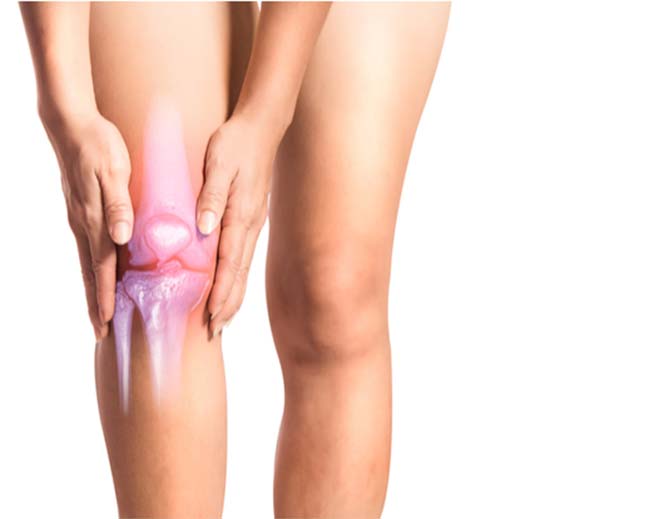
- Runner’s knee: Runner’s knee is a common overuse injury caused by trauma, misalignment or weak muscles. Those with the condition will often experience pain behind the knee, which may worsen while walking, kneeling, running or sitting.
- Stress fractures: Stress fractures are injuries characterized by small cracks or breaks that form in a bone. As one of the body’s most weight-bearing bones, the tibia (shin bone) is highly susceptible to stress fractures.
And, while there’s no surefire way to protect against a sports injury, there are ways to stack the odds in your favor. Read on to learn a few tips for preventing a running injury.
Running Injury Prevention Tips
“Stop Sports Injuries” from the AOSSM is one of the best resources when it comes to injury prevention. Borrowing from the society’s report on running injuries, here are 5 Tips for Reducing Your Risk of Running Injury, along with our thoughts on the matter:
- “Stretch for five minutes before beginning.” Stretching gets the body ready for exercise, increases flexibility and gets blood flowing!
- “Wear proper shoes with good support.” When it comes to running attire, good running shoes are essential. Make sure your shoes fit well and have good arches.
- “Develop a running plan.” For new runners, it’s easy to over-do things in the beginning. Make sure you develop a running plan that’s compatible with your fitness level.
- “Speed up slowly.” Never underestimate the importance of gradually building your speed. Running your fastest out of the gate is one of the easiest ways to develop an injury.
- “Pushing through pain just makes problems worse.” Pain is your body telling you to stop! And, if anything seems wrong, make sure you consult with a sports medicine physician as soon as possible.
Sports Medicine in Worcester
If you’re suffering from an exercise-related injury or would like more information about the Sports Medicine we offer, we encourage you to contact us today. Our offices are located in Worcester, proudly serving the surrounding areas. Schedule your appointment today at (508) 363-6363. We look forward to hearing from you.
October 17th, 2012
Sports and psychology – we don’t often associate the two with one another, but sports performance and mental state are actually inherently tied. Drawing knowledge from kinesiology and psychology, sports psychology is one of the most important emerging new fields in the world of mental health counseling. So, what’s it really all about?
The goal of sports psychology is simple: to help an athlete better understand the connection between their emotions, attitudes and behaviors and their success as an athlete. The field empowers athletes to work better with coaches, teammates and parents, improve motivation and concentration and help athletes overcome the emotional and physical setbacks of a sports-related injury.
Want to learn more? Read on!
Bouncing Back After an Injury
As an Orthopaedic Surgeon and Sports Medicine Physician, one of the hardest parts of the job is telling an athlete he or she will have to be out of the game for three or four months. Not only does this mean he or she is dealing with the physical pain of an injury, but the emotional hit as well. These are the types of situations where a sports psychologist can be most helpful.
Following an injury, many athletes experience …
- …A hit to their self-esteem. For many athletes, their sport is inherently tied to how they feel about themselves – it reinforces their skills and serves as a source of pride to family and friends. Following an injury, it’s common for athletes to feel like a failure and struggle with confidence.
- …A loss of identity. When you literally become your sport, what happens when that sport is taken away? An injury can make an athlete question who they are and what makes them them. And, this loss of identity can make an athlete feel stressed, insecure and unsafe.
- …Feelings of depression. Feelings of persistent sadness and hopelessness are not uncommon among injured athletes. Unable to play their sport and be there for their teams, athletes can begin to lose interest in other aspects of their lives, including school and social activities.
So, how can a sports psychologist help? A sports psychologist – like any psychologist – counsels patients one-on-one. They work in tandem to create goals, eliminate negative “self talk” and provide tools for getting back in the swing of things. In the end, it’s all about finding out what’s holding you back and overcoming it!
Sports Medicine in Worcester
Of course, when it comes to getting back in the game, healing your body is just as important as healing your mind. And, while your gut may tell you to fight through a painful sports injury, it’s important to take the time to consult with a sports medicine physician. This is vital in preventing an injury from worsening – an injury that could ultimately take you out of the game for good!
Suffering from an injury? Contact us today and schedule a consultation. Our offices are located in Worcester, and you can reach us directly at (508) 363-6363. We look forward to hearing from you soon.
August 20th, 2012
Think healthy exercise is just for athletes in their 20s and 30s? Think again!
One of the most common misconceptions among older patients is that they’re “too old for exercise,” or “too out of shape.” And, while society may be delivering the message that senior life is all about resting and “saving your energy,” reality couldn’t be further from the truth. It’s important to understand that appropriate exercise can offer a host of benefits at any age and at any experience level– even into our 60s, 70s and 80s! It begins with making a commitment to being healthier today than you were yesterday.
Need proof? According NIH SeniorHealth, “Studies have shown that … older adults can gain a lot by staying physically active. Even moderate exercise and physical activity can improve the health of people who are frail or who have diseases that accompany aging.” What’s more, exercise can make you feel younger, reduce your chances of falling and very often, it can allow you to do the things you enjoy longer.
Of course, an exercise regimen that’s right for a 30 year old runner wouldn’t be appropriate for someone in their 70s or a person who’s just starting out. There are special considerations that “beginner athletes” need to know about.
Here are 5 Exercise Tips to Keep in Mind:
- Keep things gentle. Older athletes and beginner athletes need to make sure they’re keeping their workouts gentle. Instead of high-intensity cardio, stay in the direction of water aerobics, walking or light hand weights.
- Always warm up and cool down. A good warm up and cool down is a vital part of your workout. Not only does warming up get you ready for physical activity, but it greatly reduces your chances of a training injury. Your cool down is just as important, reducing muscle tension and allowing you to recover from the demands of physical activity.
- Stay hydrated. Even if you’re not feeling thirsty, make sure you’re drinking enough fluids. Water is your best bet here.
- Listen to your body. If you’re feeling any pain or discomfort, stop what you’re doing. Ignoring these red flags is a surefire way to hurt yourself.
- Consult a qualified medical professional. Always consult with a qualified medical professional before beginning a new exercise regimen. They can tell you exactly what types of exercises are right for you!
Orthopedist in Worcester
To find out more about the Sports Medicine and Orthopedic Treatment we offer, don’t hesitate to contact us today. Our offices are located in Worcester, proudly serving the surrounding areas. Schedule your appointment today at (508) 363-6363. We look forward to working with you.
July 16th, 2012
There are few athletes more susceptible to injury than the “throwing athlete.” In fact, according to “Stop Sports Injuries” from the AOSSM, elbow and shoulder injuries among young people are reaching “epidemic” proportion. So, whether you’re a baseball player or involved in field sports like the javelin throw, it’s important to remember that injury prevention is something you should always be thinking about.
What’s the biggest culprit? The answer is well summed-up in a quote from the AOSSM:
“If a young athlete is throwing too hard, too much, too early, and without rest, a serious elbow or shoulder injury may be on the horizon.”
So, how can you keep yourself protected? The goal is to keep your shoulder healthy and strong. Here is our list of 5 Tips for the Throwing Athlete:
- Never skip your warm-up. “Throwing cold” is one of the biggest mistakes new athletes make. When you’re ready to start throwing, take it easy. Increase intensity slowly and gradually.
- Listen to your body. If you’re feeling pain, stop! What starts as a minor nuisance can grow into a full-blown shoulder injury.
- Take a day off. Try not to throw on consecutive days. Give your body the time it needs to heal and recover. Also, alternate positions throughout practice.
- Forget about speed. Faster isn’t always better – especially when it comes to injury prevention. Instead of worrying about being the fastest thrower, focus on being the most accurate thrower.
- Consult with a Sports Medicine Physician. The best way to find out what sorts of activities are appropriate for you and to address any injury concerns is to meet with a Sports Medicine Specialist.
Sports Shoulder Injuries
Of course, sports injuries can happen – it’s simply part of the game. Thankfully, it’s not the end of the world. The key is knowing what to watch out for and what you can do about it.
Here are two of the most common injuries among throwing athletes:
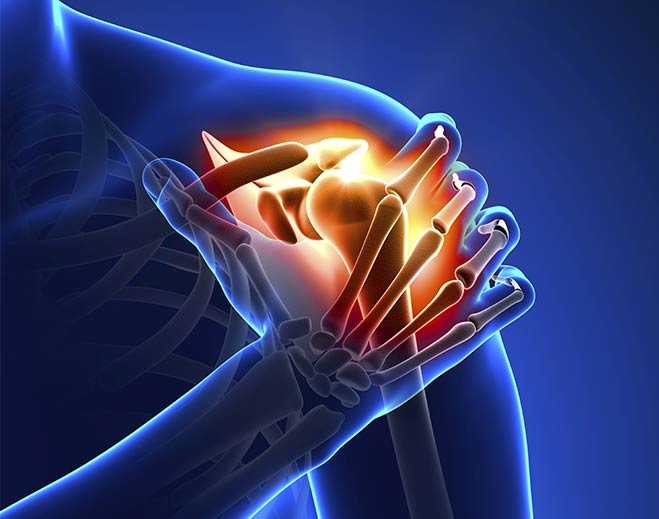
- Rotator cuff injury: Your rotator cuff is the group of muscles and tendons that connect your shoulder blade to your upper arm. And, any repetitive arm movement – like throwing – puts you at greater risk for a rotator cuff tear. While rest and physical therapy may be enough for some, patients often require surgery. Rotator cuff repair involves reattaching the tendon back to the arm, along with removing any loose fragments from the shoulder area. With physical therapy, most patients experience newfound strength and mobility.
- Labral tears: A labrum is a protective cuff of cartilage that provides stability, cushioning and a full range of motion to the shoulder. For the throwing athlete, overuse can cause a “labral tear.” This can lead to pain and “catching” of the joint while moving. Treatment usually comes in the form of arthroscopic surgery. The goal is to repair the unstable shoulder with staples, anchors or sutures.
Orthopedic Surgeon in Worcester
If you think you’re suffering from a throwing or other sports-related injury, take the first step – contact us today. Our Worcester office can be reached at (508) 363-6363. We look forward to meeting you.
June 1st, 2012
The world of exercise can essentially be broken down into two categories: cardiovascular exercise and strength training. And, while the benefits of healthy cardio are well documented, today we’re going to look at the importance of strength training and what it can mean to your overall fitness.
So first, what is strength training? According to the American Orthopaedic Society for Sports Medicine (AOSSM), “Strength training is the use of resistance (free weights, resistance bands or machines) in conjunction with body movements to increase the strength of muscles.” Simply put, these are exercises that enhance muscle performance and overall physical fitness.
In the end, each athlete will choose a different training regimen. From an almost endless list of strength training exercises, here are a few of the most popular:
- Crunches
- Squats
- Bench press
- Rowing machine
- Bicep curls
- Leg press
- Free weights
- Push-ups
Most importantly, what are the benefits of strength training? According to the AOSSM, strength training can result in increased flexibility, improved sports performance and may aid in injury prevention.
Preventing “Overtraining”
There is no secret weapon for preventing a strength training injury. There are, however, ways to improve your chances. Of course, your first line of defense is to consult with a Sports Medicine Specialist before beginning any strength training program.
The Mayo Clinic also lists a few “Do’s and Don’ts of Proper Technique.” Borrowing from the list, here are a few of their tips, along with our thoughts on the matter:
- Do “lift an appropriate amount of weight.” Always train within your means. Lifting too much is a surefire way to hurt yourself.
- Do “use proper form.” Only perform movements you know you’re doing correctly. Bad form can inevitably cause injury and work against your progress.
- Don’t “skip your warm-up.” Never take warming up lightly. As the Mayo Clinic explains, “cold muscles are more prone to injury than are warm muscles.”
Sports Medicine Orthopedic Surgeon in Worcester
If you’re suffering from a training-related injury or would like more information about the Sports Medicine we offer, we encourage you to contact us today. Our offices are located in Worcester, serving the surrounding areas. Schedule your appointment today at (508) 363-6363. We look forward to hearing from you.